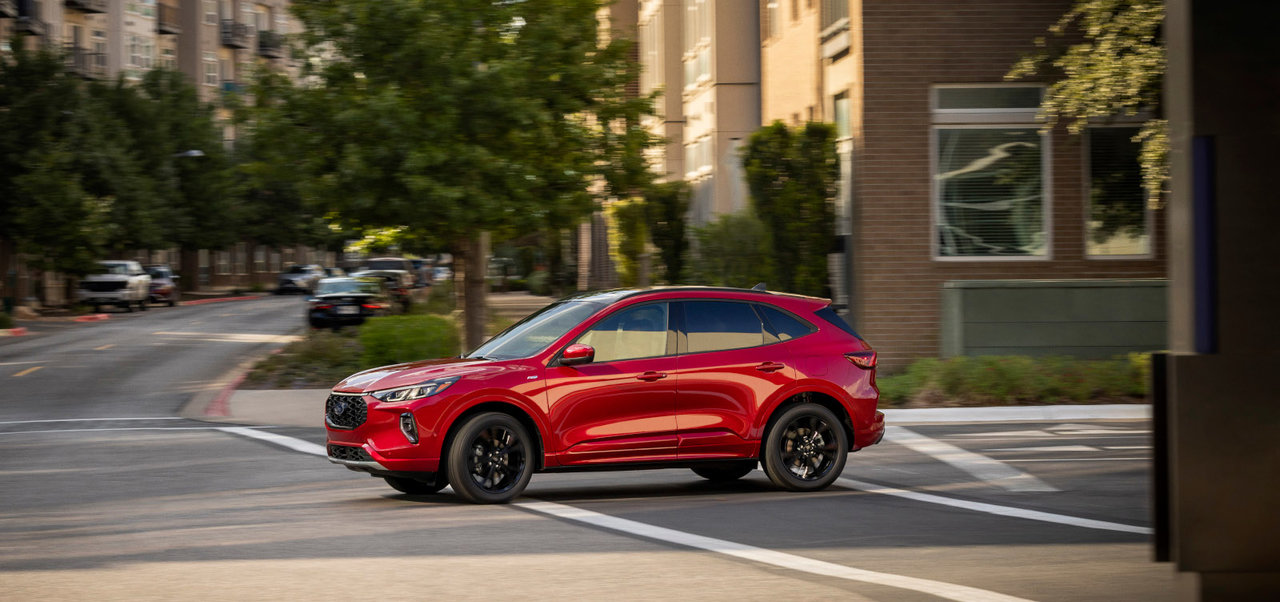
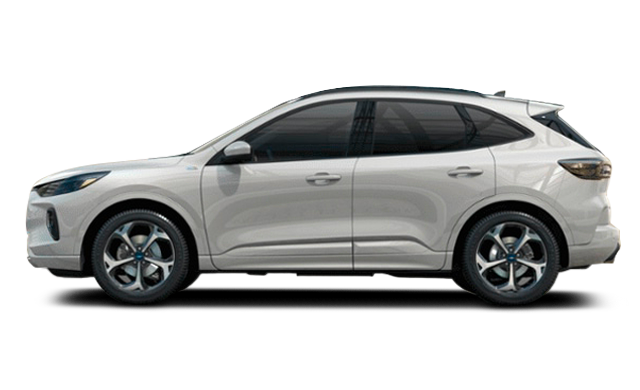
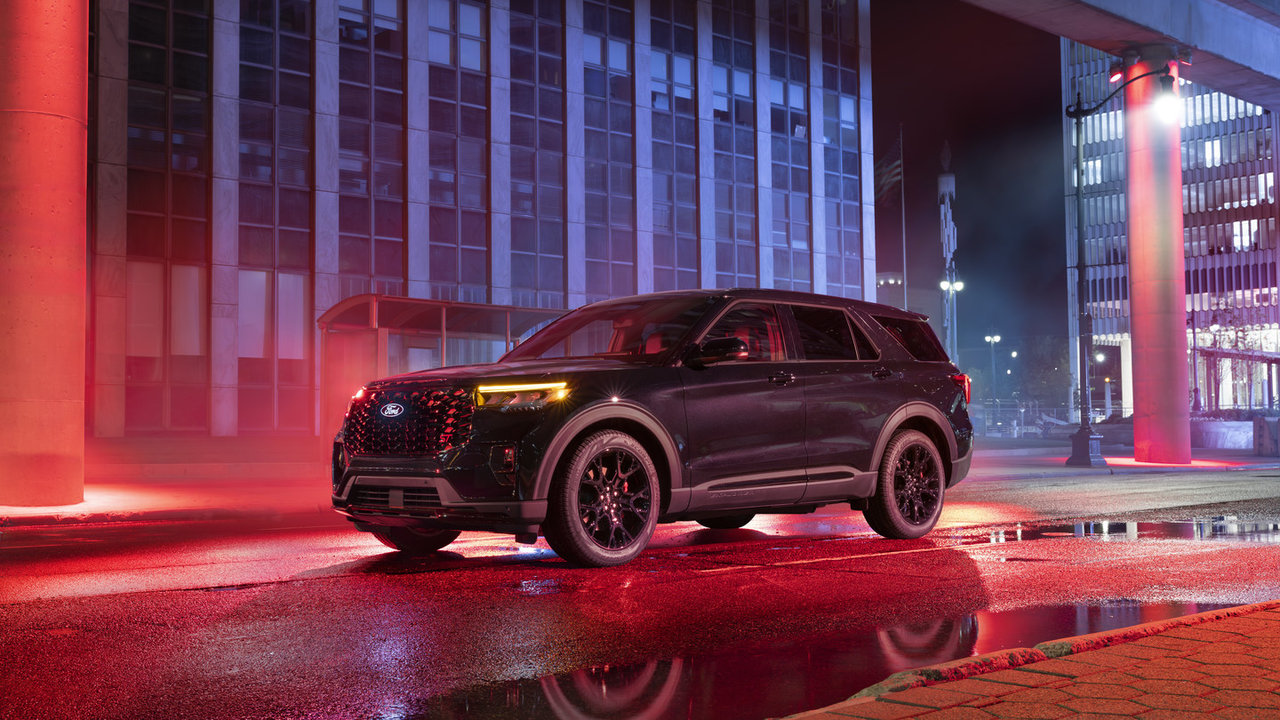
The 2026 Ford Escape offers two distinct EcoBoost turbocharged engines, each engineered for different driving priorities. Whether you value fuel efficiency for daily commutes or need maximum towing capability for weekend adventures, understanding the differences between the 1.5L and 2.0L EcoBoost powertrains helps you choose the right Escape for your needs.
Both engines deliver turbocharged performance with modern efficiency technologies, but their capabilities diverge significantly when it comes to power output, fuel economy, and towing capacity. This comparison breaks down the specifications, real-world performance characteristics, and ideal use cases for each engine option.
Engine Specifications at a Glance
|
Specification
|
1.5L EcoBoost
|
2.0L EcoBoost
|
|
Power Output
|
180 hp
|
250 hp
|
|
Transmission
|
8-speed Automatic
|
8-speed Automatic
|
|
Drivetrain
|
FWD or AWD
|
AWD
|
Performance and Power Delivery
The 1.5L EcoBoost delivers 180 horsepower through a turbocharged 3-cylinder configuration. This engine features lightweight components and auto start-stop technology to reduce fuel consumption during stop-and-go traffic. The 8-speed automatic transmission provides smooth power delivery for everyday driving scenarios.
The 2.0L EcoBoost offers the most powerful gasoline engine in the 2026 Escape lineup, producing 250 horsepower and 280 lb-ft of torque. Direct injection and turbocharging combine to deliver strong performance, with the 4-cylinder configuration providing stronger acceleration and passing power compared to the base engine.
Fuel Economy Comparison
Fuel efficiency varies significantly between the two engines and drivetrain configurations:
1.5L EcoBoost:
- FWD: 8.9 L/100km city, 6.9 L/100km highway, 8.0 L/100km combined
- AWD: 9.2 L/100km city, 7.4 L/100km highway, 8.4 L/100km combined
2.0L EcoBoost:
- AWD: 10.2 L/100km city, 7.6 L/100km highway, 9.1 L/100km combined
The 1.5L EcoBoost with front-wheel drive delivers the best fuel economy in the gasoline lineup, consuming approximately 1.1 L/100km less in combined driving compared to the 2.0L AWD configuration. Highway efficiency remains relatively close between both engines, with the primary difference appearing in city driving where the smaller displacement and lighter weight components provide an advantage.
Towing Capacity and Capability
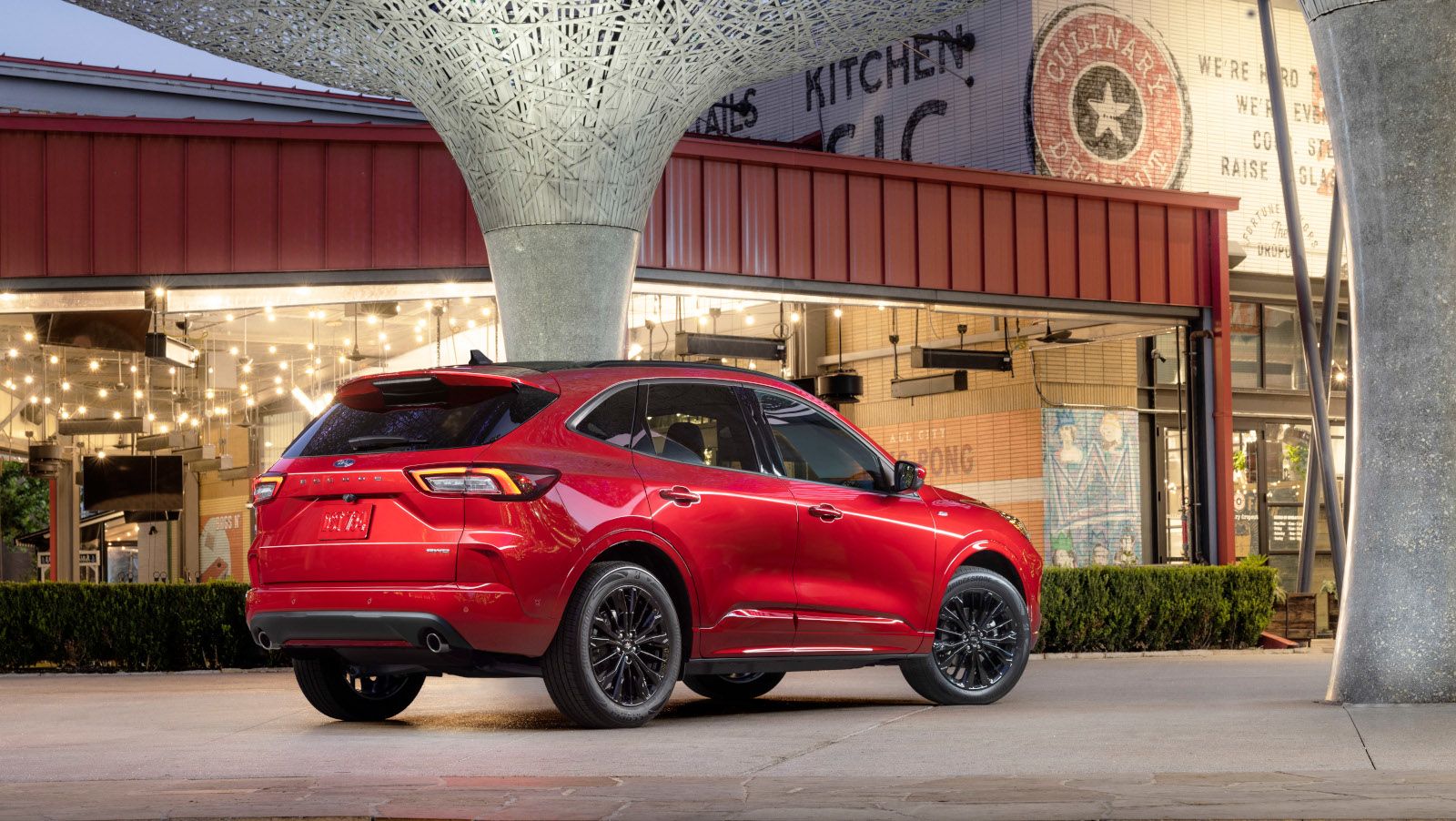
Towing capacity offers one of the most significant differences between these two engines:
- 1.5L EcoBoost: 907 kg (2,000 lbs)
- 2.0L EcoBoost: 1,588 kg (3,500 lbs) with tow package
The 2.0L EcoBoost provides 75% more towing capacity than the 1.5L engine, making it the clear choice for drivers who regularly tow trailers, boats, or recreational equipment. The additional torque output of the 2.0L engine enables confident towing performance on highways and inclines.
Drivetrain Availability
The 1.5L EcoBoost offers flexibility with both front-wheel drive and all-wheel drive configurations. Front-wheel drive provides the best fuel economy and lower initial cost, while all-wheel drive adds enhanced traction for drivers in Ontario who encounter variable weather conditions.
The 2.0L EcoBoost comes exclusively with all-wheel drive, pairing its higher power output with improved traction and handling characteristics. This combination suits drivers who prioritize performance and capability over maximum fuel efficiency.
Technology and Efficiency Features
Both engines benefit from modern efficiency technologies integrated throughout the Escape platform. The capless fuel fill system eliminates the need for a traditional gas cap, while selectable drive modes allow you to optimize powertrain behaviour for different driving conditions.
The 1.5L EcoBoost includes auto start-stop technology as standard, automatically shutting down the engine at traffic lights and restarting instantly when you release the brake pedal. This feature contributes to the engine's strong city fuel economy figures.
Cargo and Interior Space
Regardless of engine choice, the 2026 Escape provides 1,851 litres of maximum cargo volume with the rear seats folded. The 60/40 split-folding rear seats allow you to configure the interior for passengers or cargo as needed. All Escape models seat five passengers comfortably across two rows.
Which Engine Suits Your Driving?
The 1.5L EcoBoost serves drivers who prioritize fuel efficiency and don't require maximum towing capability. Daily commuters, urban drivers, and those who occasionally need light hauling capability will find the 1.5L engine delivers adequate power while minimizing fuel costs. The availability of front-wheel drive provides the most economical option in the lineup.
The 2.0L EcoBoost targets drivers who need stronger acceleration, maximum towing capacity, or simply prefer more power reserves for highway merging and passing. Weekend adventurers who tow recreational equipment, drivers who frequently carry heavy loads, or those who value spirited performance will appreciate the additional 70 horsepower and substantially higher towing rating.
Experience Both Engines at Reliable Ford
The choice between the 1.5L and 2.0L EcoBoost engines depends on your specific driving priorities and towing requirements. Visit Reliable Ford to test drive both powertrains and explore which configuration best matches your lifestyle.