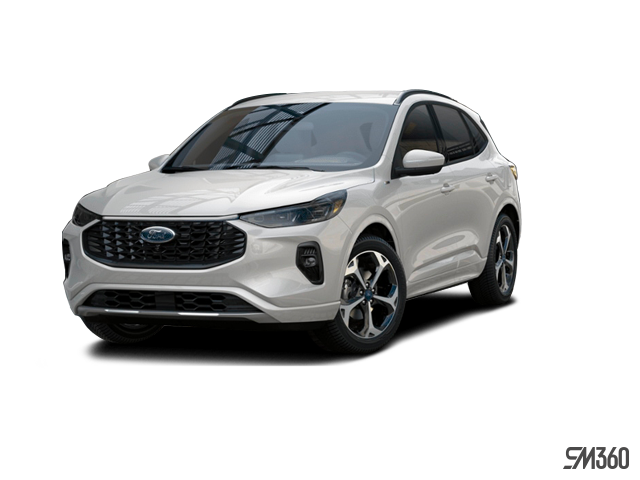
Photo for illustrative purposes only.
Find out more
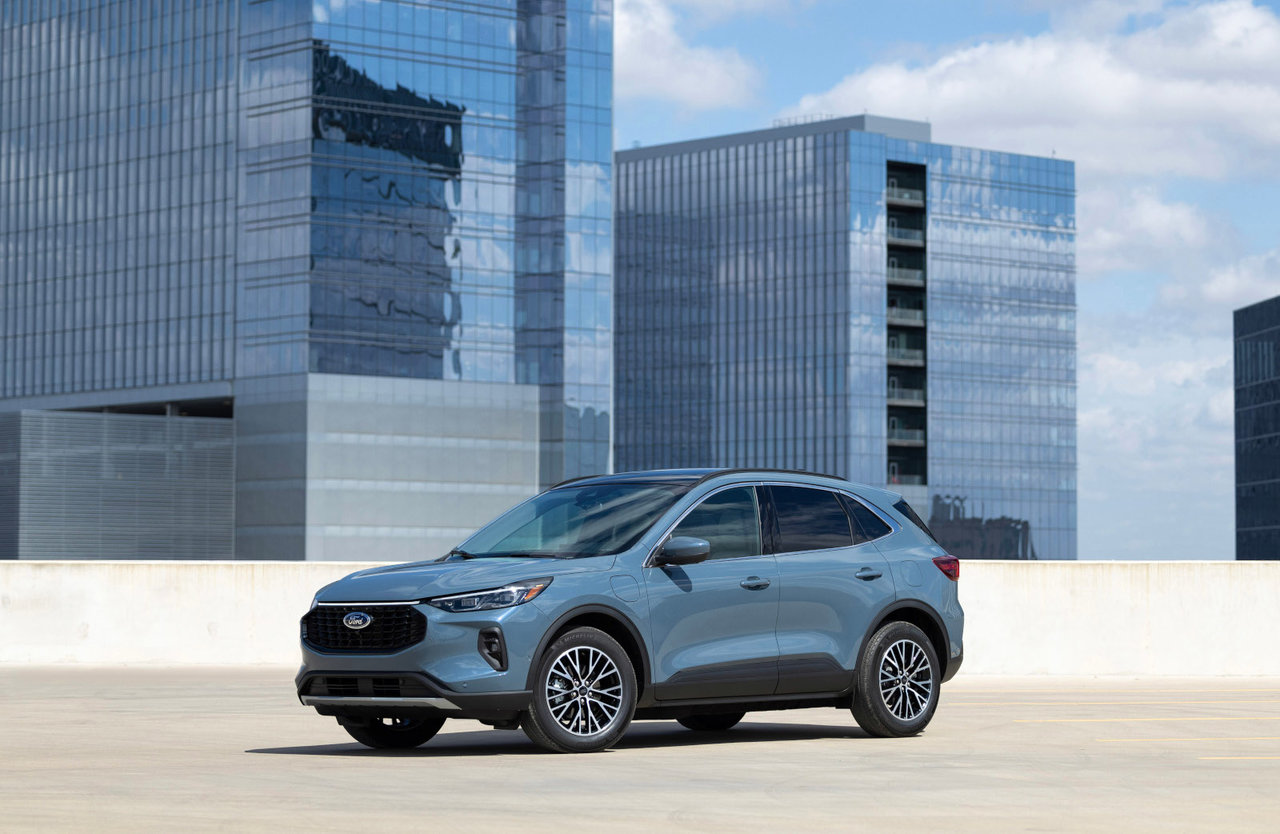
Summer plans put two demands on a compact SUV at the same time: sip fuel on the highway and swallow gear at the trailhead. The 2026 Ford Escape answers both, with four powertrains that reach down to hybrid-level efficiency and a cargo area that stretches past what many rivals offer in the segment.
This guide compares the Escape’s powertrains and cargo configurations side by side, so buyers can weigh fuel savings against hauling room and pick the version that fits a busy summer. Every figure below reflects a properly equipped model.
|
Powertrain |
Horsepower |
Fuel Economy (Combined, L/100 km) |
|
1.5L EcoBoost I-3 |
180 hp |
8.0 (FWD) / 8.4 (AWD) |
|
2.0L EcoBoost I-4 |
250 hp |
9.1 (AWD) |
|
2.5L Hybrid I-4 |
192 hp (total system) |
6.0 |
|
2.5L Plug-In Hybrid I-4 |
210 hp (total system) |
5.9 gas-only, 60 km EV range |
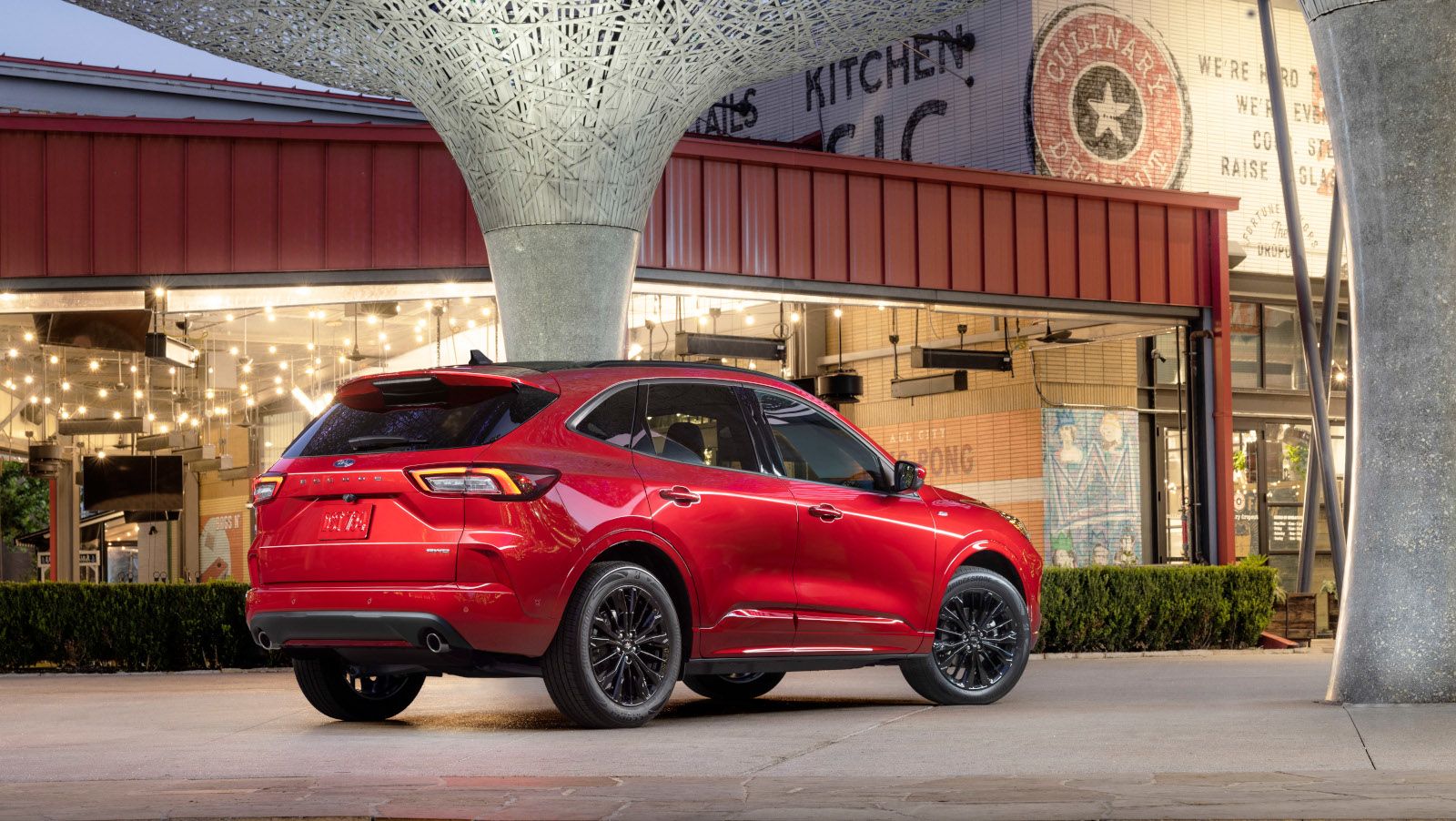
The Escape gives efficiency-minded buyers a clear path. The 2.5L Hybrid returns 5.6 city and 6.5 highway for a combined 6.0 L/100 km, and it is available with front-wheel drive or intelligent all-wheel drive. The Plug-In Hybrid goes further, adding up to 60 km of electric-only range for short commutes and errands, then running as a regular hybrid once the battery is depleted. On gas alone it posts a combined 5.9 L/100 km.
Drivers who want more punch have two turbocharged EcoBoost options:
An automatic all-wheel-drive disconnect helps the EcoBoost models save fuel by switching to front-wheel drive when the extra grip is not needed.
The Escape’s cargo room is where summer plans get easier. The EcoBoost models carry 1,061.8 L behind the second row and open up to 1,851.9 L with the seats folded. Hybrid and Plug-In Hybrid models hold 974 L behind the second row and 1,721.6 L maximum, giving up a little space in exchange for their fuel savings.
That flexibility is what makes the Escape a strong summer companion. The 60/40 split means one side can carry a passenger while the other holds long items like paddles or fishing rods, and the flat load floor with the seats down makes loading bikes, coolers, and camping bins straightforward. For families juggling weekend trips and daily duties, the extra litres in the EcoBoost models add real usable room.
Buyers who log high mileage and want the lowest fuel bills should look at the 2.5L Hybrid, or the Plug-In Hybrid if a home outlet and a short daily drive make electric range worthwhile. Families who prioritize maximum cargo room will favour the EcoBoost models and their 1,851.9 L of space. If towing a small trailer or boat is part of the plan, the 2.0L EcoBoost and its 3,500 lbs (1,588 kg) rating is the one to choose.
The Escape lets you weigh fuel economy against cargo room and choose the balance that suits your summer. Book your test drive at Reliable Ford in Fergus to compare the hybrid and EcoBoost models back to back and find the powertrain that fits your driving and your gear.
Photo for illustrative purposes only.
Find out more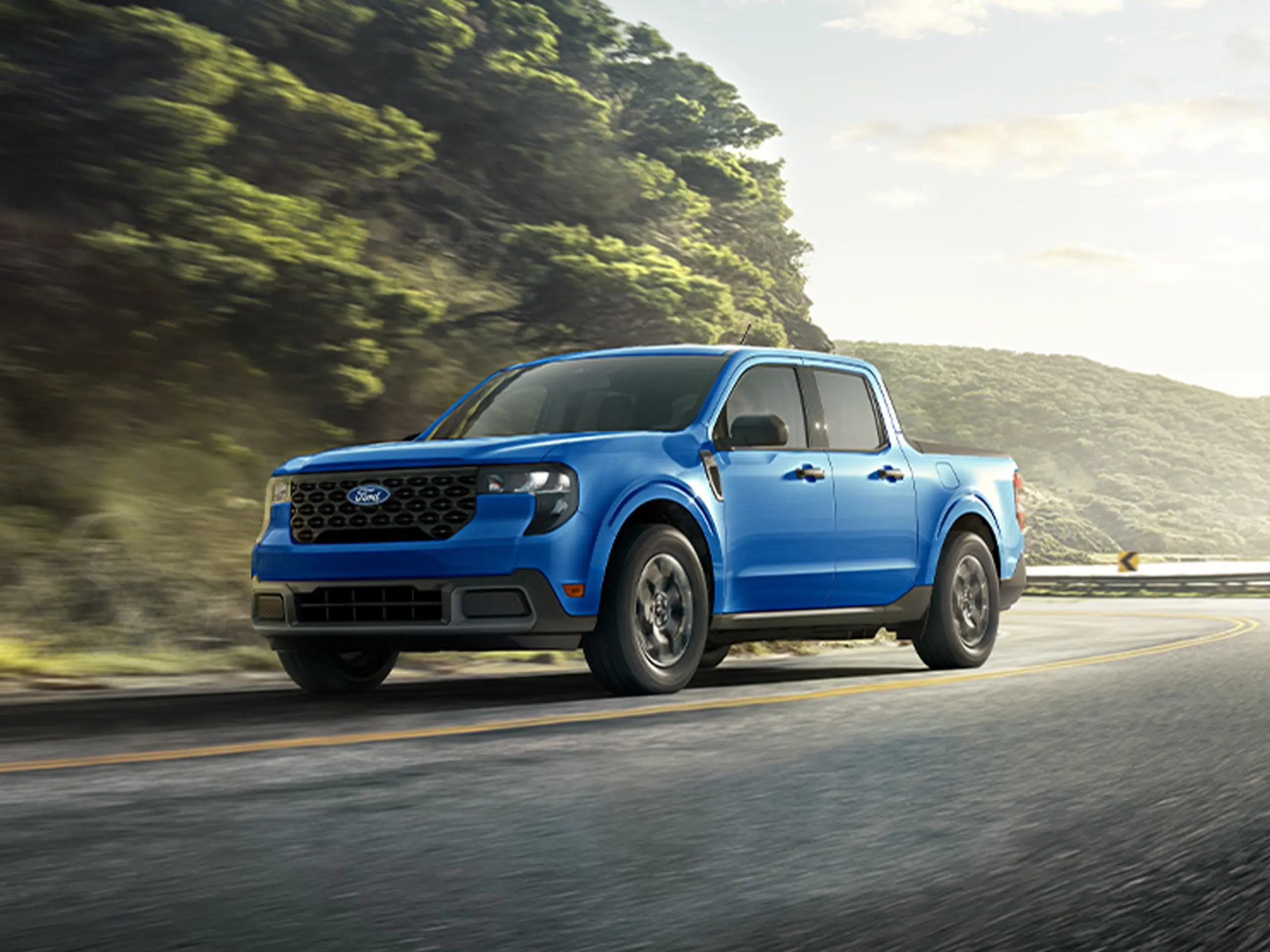
2027 Ford Maverick: Engines and Specifications of Every Version
The 2027 Ford Maverick continues to demonstrate that a compact pickup can be economical, practical and genuinely capable. Its manageable dimensions...
Read more
10 Key Specifications You Should Know About the 2027 Ford Explorer
The 2027 Ford Explorer builds on a formula that has made it a familiar choice for Canadian families: three-row flexibility, standard Intelligent...
Read more
Here Are the Engine Options Offered in the 2026 Ford F-150: A Comprehensive Guide
Few vehicles offer the breadth of powertrain choice found in the 2026 Ford F-150. Rather than asking every buyer to accept the same compromise,...
Read morePowered and developed by