If you spend hours on the commute from Fergus to the GTA via the 401, or if late-night drives to cottage country leave you wishing for a co-pilot, BlueCruise is worth understanding before you finalize your next Ford order. This hands-free highway driving system is available on several Ford models, and knowing how it works, what it costs, and when it makes sense can help you decide if it belongs in your build.
BlueCruise is Ford's hands-free highway driving technology. It uses cameras and sensors to keep the vehicle centred in its lane and maintain a set distance from the car ahead on pre-mapped divided highways across Canada and the U.S. The system monitors your attention through a driver-facing camera - you still need to watch the road, but your hands can come off the wheel on approved stretches. For buyers configuring a new F-150, Mustang Mach-E, or Explorer this spring, BlueCruise requires both the right hardware package and an active subscription.
How BlueCruise Works and Where It Applies
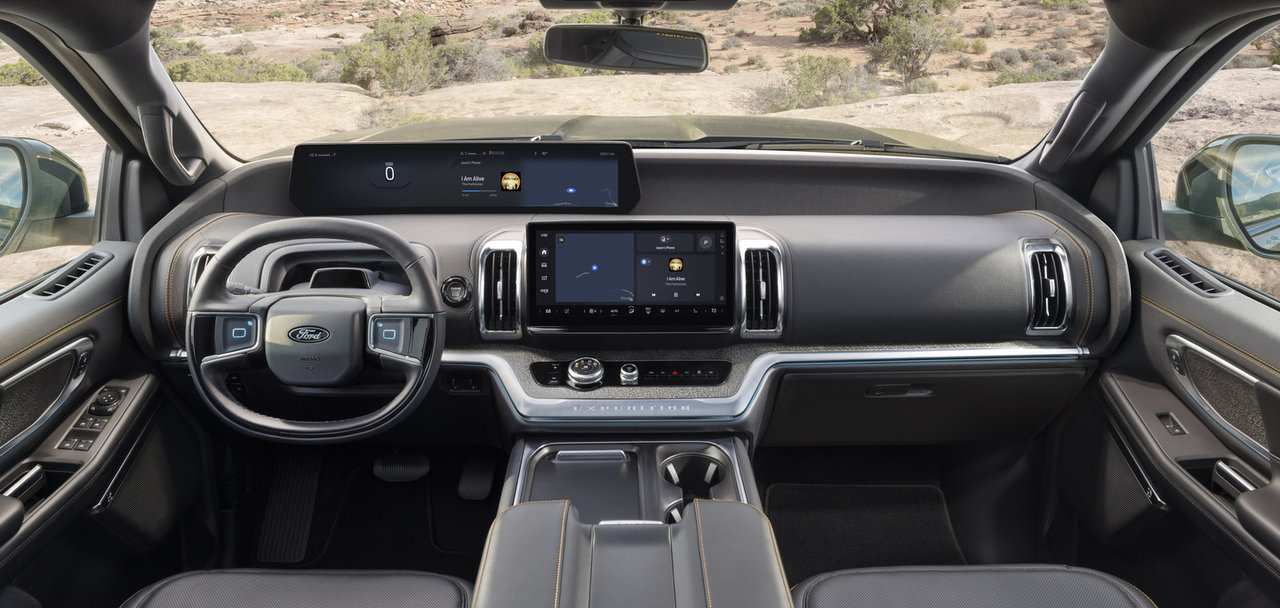
BlueCruise operates on pre-mapped divided highways in North America, including major Ontario corridors like the 401, 400, and QEW. The system activates when you are on an approved road with clear lane markings and flowing traffic. A blue icon on the instrument cluster signals when hands-free driving is available. You set your speed and following distance, and BlueCruise handles steering and throttle. If the system detects inattention - eyes off the road for more than a few seconds - it issues escalating alerts and eventually disengages.
The system is designed for highway cruising, not city driving or winding rural roads. It does not change lanes independently or navigate exits without your input. Think of it as adaptive cruise control with lane centring that lets you relax your grip on long, straight stretches. If you regularly drive Toronto to Ottawa, London to Windsor, or Barrie to Sudbury, BlueCruise covers the majority of those routes.
Which Ford Models Offer BlueCruise
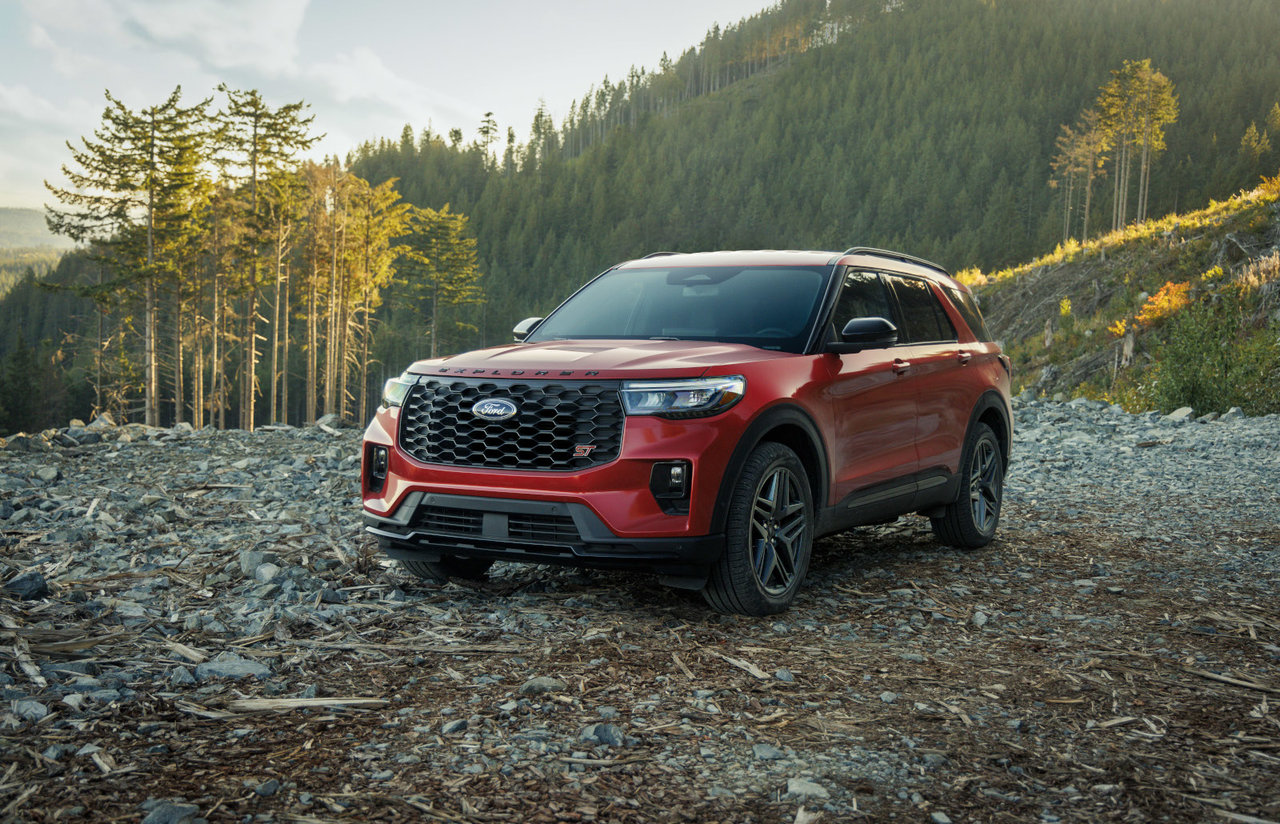
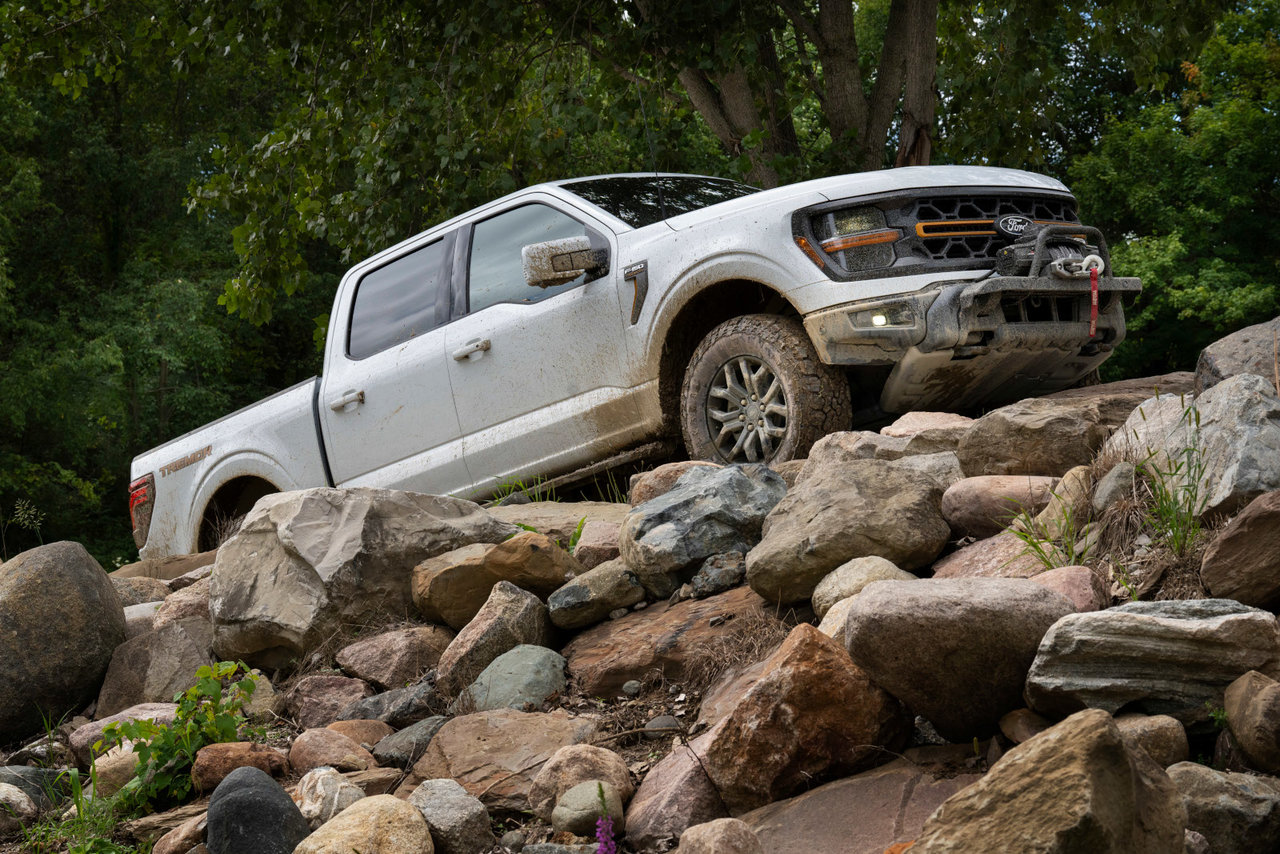
BlueCruise is available on select 2026 Ford models as part of a technology or driver-assistance package. The F-150, Mustang Mach-E, and Explorer are the primary candidates. Availability depends on trim level and package selection. When building your vehicle, look for packages that include adaptive cruise control, lane-keeping assist, and the driver-facing camera - these are prerequisites for BlueCruise functionality.
If you spend meaningful time on highways between job sites or have a daily commute with long stretches of 401, BlueCruise is worth the add-on cost. If most of your driving is around town or on two-lane roads, the system will see limited use.
When BlueCruise Makes the Most Sense
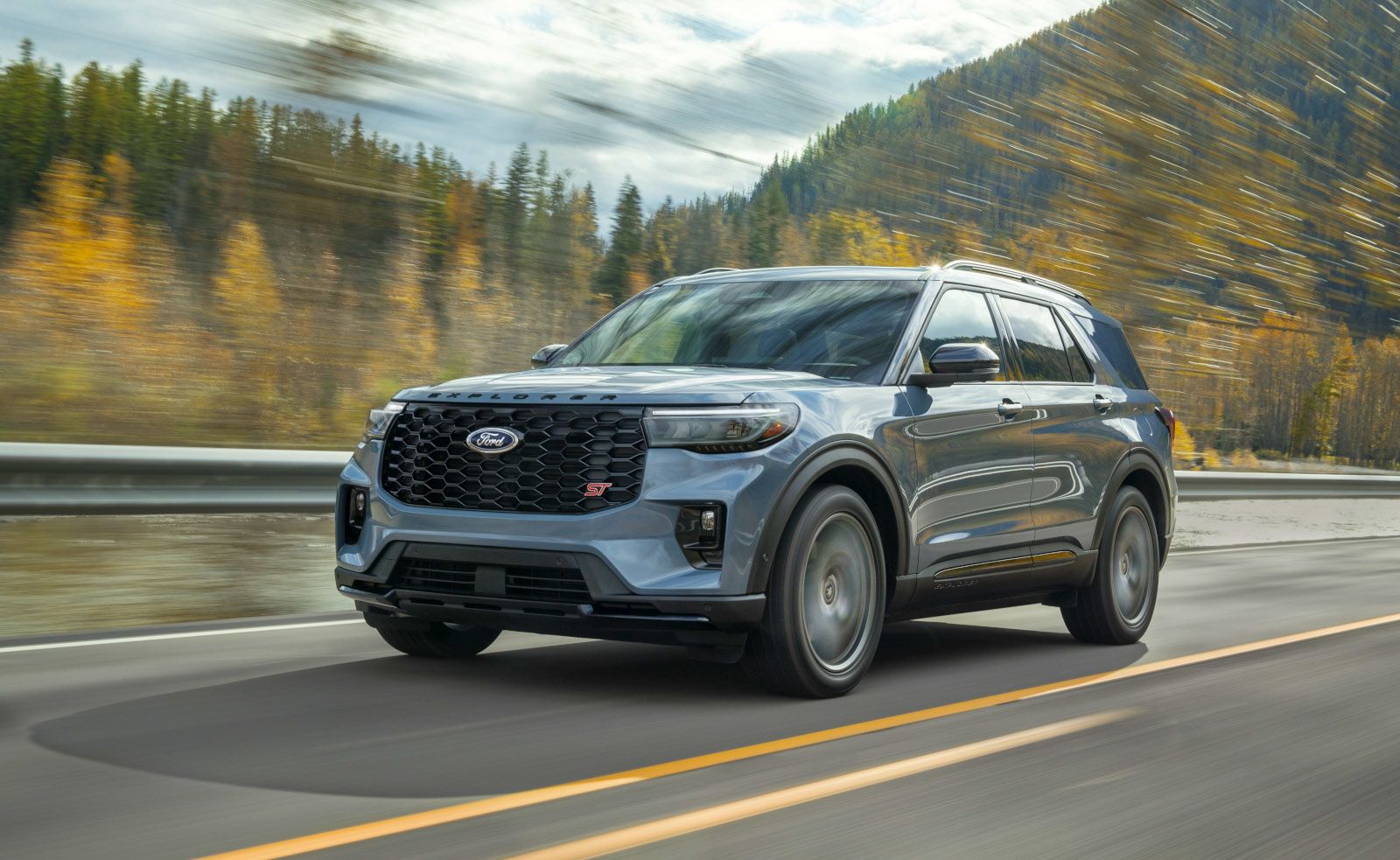
BlueCruise is most valuable for long highway commutes, late-night drives, and frequent out-of-town trips. If you drive the 401 between Fergus and Mississauga several times a week, BlueCruise reduces the mental load of maintaining lane position and following distance in heavy traffic. If you are driving home from a late shift or weekend trip and fatigue is setting in, the system keeps you centred and alert without requiring constant steering input. If your job or lifestyle involves regular highway travel - sales routes, family visits, cottage trips - BlueCruise turns those hours into less tiring, more predictable drives.
The system is less useful if your driving is mostly urban, if you prefer full manual control, or if your routes involve frequent lane changes and exits. BlueCruise is a tool for straight, divided highways with steady traffic flow. It is not a replacement for attentive driving, and it is not designed for complex navigation or stop-and-go city conditions.
Budgeting for BlueCruise in Your Build
When configuring your Ford, BlueCruise typically appears as part of a technology or co-pilot package that includes adaptive cruise control, lane-keeping assist, blind-spot monitoring, and the driver-facing camera. The subscription cost is separate and begins after the trial period ends.
If you are comparing builds, the decision comes down to how much highway driving you do and how much value you place on reduced fatigue. The hardware package is a one-time cost that stays with the vehicle. The subscription is an annual expense that you can start, stop, or renew based on your driving patterns. If you take a long road trip and want BlueCruise for that period, you can activate it temporarily.
For buyers who know they will use the system regularly, a multi-year subscription plan offers the best value. For buyers who are unsure, the trial period provides a risk-free way to test the feature on your actual routes before committing.
BlueCruise Is a Planned Option, Not an Afterthought
BlueCruise cannot be added after delivery if the hardware is not already installed. The trial period gives you time to decide if the subscription is worth continuing, but the hardware decision happens at the time of order.
If you are configuring a new Ford this spring and your driving includes regular highway stretches, BlueCruise is worth considering. If most of your driving is local or you prefer full manual control, the standard driver-assistance features may be sufficient. The system is designed for long, straight highways with steady traffic and performs that role well. Knowing how it works, what it costs, and when it applies helps you make a confident decision before you finalize your build.
Reliable Ford in Fergus can show you how the system operates and help you decide if it fits your driving routine.